Permanent Exhibit
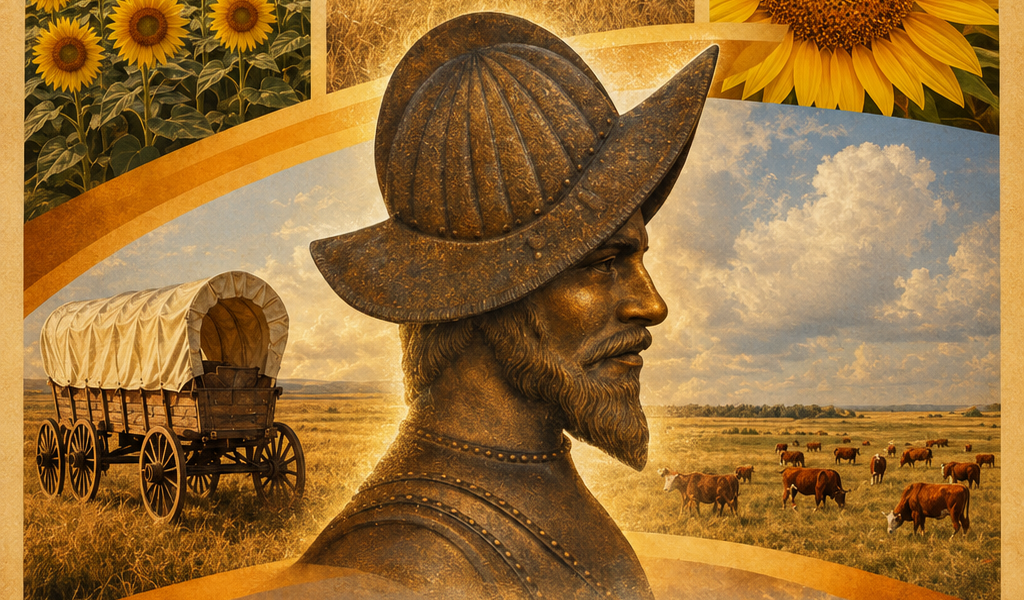
Francisco Vázquez de Coronado
Spanish Explorer of the Great Plains, 1540–1542
The Search for the Seven Cities of Gold
In 1540, Francisco Vázquez de Coronado departed Compostela, New Spain, at the head of one of the largest expeditions ever to venture into the unknown interior of North America. Driven by tales of Cíbola — seven fabulously wealthy cities — he led roughly 300 Spanish soldiers, hundreds of Indigenous allies, and thousands of livestock northward into territory no European had mapped.
After crossing the Sonoran Desert and the Colorado Plateau, Coronado's army reached the Pueblo villages of present-day New Mexico. Finding no gold, he pressed on, guided by a captive he called 'The Turk', who promised riches in a land called Quivira to the northeast.
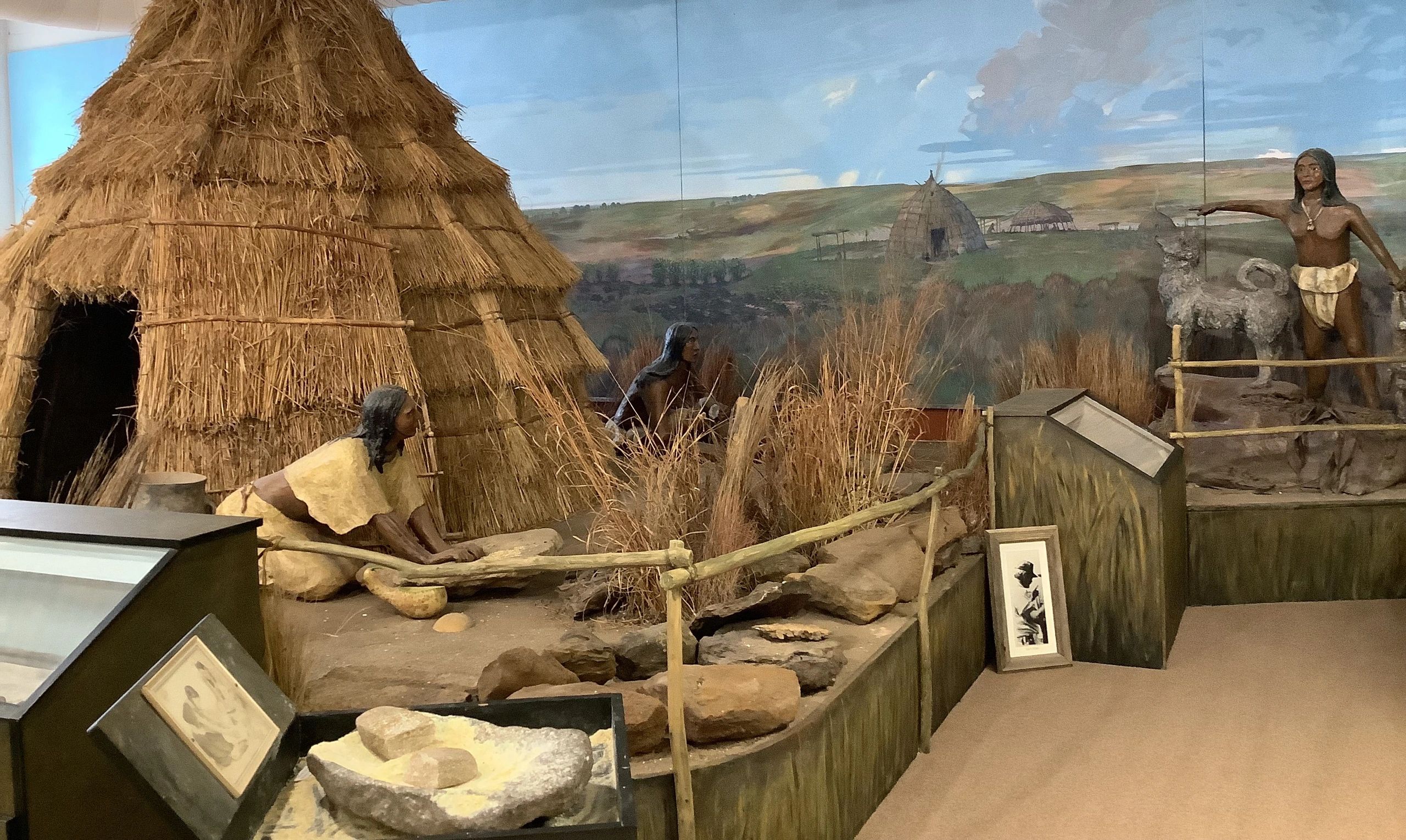
In the summer of 1541, Coronado and a small advance party rode across the vast Llano Estacado and into the tall-grass prairies of central Kansas — becoming the first Europeans to set eyes on the land that would one day become Rice County. They found not golden cities but thriving Wichita villages of grass-thatched lodges, abundant buffalo, and a people who had no interest in Spanish conquest.
Timeline
1510
Born in Salamanca, Spain, into a noble family.
1535
Arrives in New Spain (Mexico) as a young colonial administrator.
1538
Appointed Governor of Nueva Galicia by Viceroy Mendoza.
1540
Departs Compostela leading the grand expedition northward.
1541
Reaches Quivira in central Kansas — present-day Rice County.
1542
Returns to New Spain; the expedition is deemed a failure.
1554
Dies in Mexico City, largely forgotten in his own time.
What the Expedition Left Behind
Though Coronado found no gold, his expedition left an indelible mark on history. The museum's collection includes replica armour, period maps, and interpretive displays that bring the journey to life.
Armour & Weaponry
Replica morion helmets, breastplates, and crossbows typical of 16th-century Spanish soldiers.
Period Maps & Documents
Reproductions of early colonial maps showing the routes of the expedition across the Southwest and Plains.
Indigenous Artefacts
Items representing the Wichita and Pueblo peoples Coronado encountered on his journey.
Interactive Timeline
A walk-through display tracing the expedition's route from Compostela to Quivira and back.
A Legacy Larger Than Gold
Coronado's expedition failed to find treasure, but it produced the first detailed European accounts of the Great Plains, the Grand Canyon, and the buffalo herds that sustained Plains peoples for millennia. His journey set the stage for later Spanish colonisation and shaped the geopolitical boundaries of North America for centuries.